
5 Key Stages in Designing Large-Scale Construction Projects
The execution of major construction investments—industrial, logistics, or public utility facilities—requires close cooperation between the investor, the design office, and the contractor. Project success depends not only on capital and technology but, above all, on the quality of the design documentation and the control of decisions made at every stage.
This article outlines five key stages of the investment cycle that help ensure timely, on-budget, and risk-free project completion.
1. Preparatory Stage – From Idea to a Real Investment Concept
Every large project starts with an idea, but only an in-depth analysis determines whether it can be effectively realized.
At this stage, the investor and the design office define:
• the function of the facility (production hall, warehouse, office building, school, hospital, service center),
• the location and availability of technical infrastructure,
• the estimated budget and sources of financing,
• technological and operational requirements,
• the expected completion timeline.
Key tasks of the design office:
• analysis of the Local Development Plan or zoning conditions (or applying for new ones),
• preliminary functional and spatial concepts,
• site capacity analysis and development options,
• consultations with the investor on the optimal functional layout.
Common investor mistakes:
• purchasing land without analyzing planning and geotechnical conditions,
• overly general budgeting,
• lack of early collaboration with the designer, leading to later conflicts and delays.
Conclusion: The better the preparatory stage is planned, the lower the risk of costly design changes in later phases.
2. Conceptual Stage – From Vision to Design Direction
The conceptual stage gives shape to the project idea. The designer develops architectural and urban design variants, which the investor evaluates in terms of functionality, aesthetics, and cost.
Objectives of the conceptual stage:
• defining the functional layout,
• determining building dimensions,
• designing circulation and technological systems,
• providing a preliminary cost estimate,
• aligning the concept with legal and technical standards.
Role of the design office:
The design office prepares visualizations, energy analyses, and variant studies. This enables the investor to make an informed decision on which option offers the best balance of quality and cost.
Common risks:
• oversimplified concepts (e.g., missing internal transport analysis for halls),
• lack of alignment between architecture and planned production technology,
• omission of environmental or fire safety considerations.
Conclusion: A solid concept saves both time and money in later project phases.
3. Design Stage – Building, Technical, and Execution Design
This is the most complex stage of the entire investment process. Here, the design office develops complete documentation that forms the basis for obtaining a building permit and implementing the project.
Scope of design documentation:
• Site Development Plan – with building location, road layout, utilities, and landscaping,
• Architectural and Building Design – including functional layout, building parameters, material, and structural solutions,
• Technical and Execution Design – detailed engineering drawings, details, and schedules,
• Technical specifications, bills of quantities, and cost estimates forming the basis for contractor selection.
Cooperation between investor and design office:
• the investor approves functional and cost solutions,
• the designer coordinates all engineering disciplines (architecture, structure, installations, technology),
• both parties verify compliance of the project with budget and schedule.
Common mistakes:
• lack of coordination between disciplines,
• starting tenders too early, before the execution design is finalized,
• underestimating installation and infrastructure costs.
Conclusion: The quality of design documentation directly affects project pace and budget control.
4. Construction Stage – Supervision, Control, and Cooperation with the Contractor
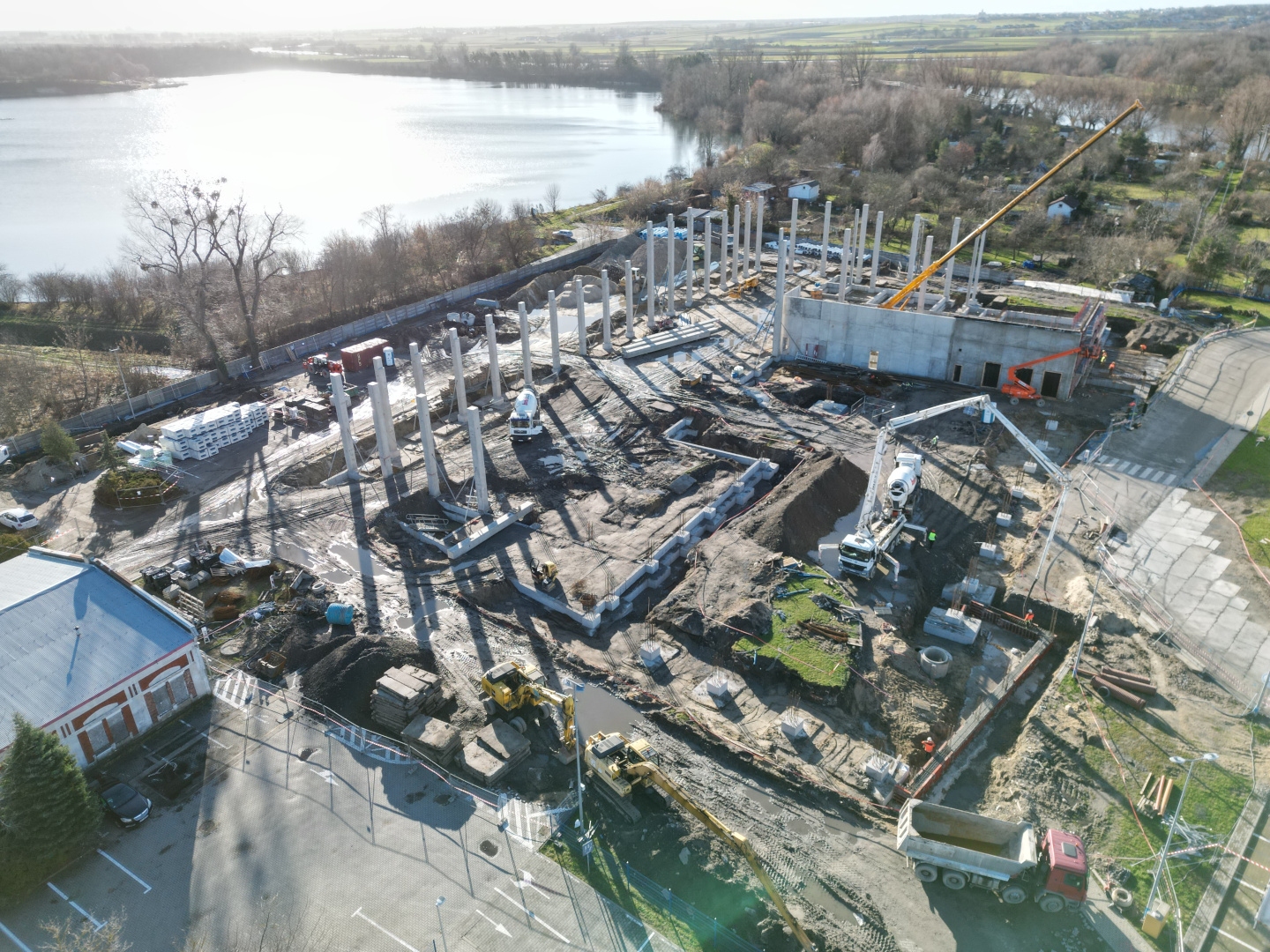
Once the building permit is obtained, the construction phase begins. The design office’s role does not end here—it shifts to author’s supervision.
Tasks of the design office:
• verifying contractor solutions for design compliance,
• resolving on-site technical issues,
• updating drawings when changes occur,
• supporting the investor during partial and final inspections.
Investor responsibilities:
• monitoring work progress and financial settlements,
• enforcing quality standards,
• coordinating changes with the design office.
Common risks:
• insufficient communication between designer and contractor,
• unauthorized design changes made by the contractor,
• failure to update documentation after modifications.
Conclusion: Continuous cooperation between the investor and designer ensures control—both financial and technical—over the project.
5. Post-Construction Stage – Handover, Settlement, and Operation
Project completion does not end the investment process. The post-construction phase includes:
- preparation of as-built documentation,
- technical and operational inspections,
- official handover for use,
- evaluation of facility operation.
Importance for the investor:
As-built documentation simplifies maintenance, renovation planning, and potential future expansion. A well-prepared technical and as-built design guarantees that any modification can be made without compromising the building’s structure.
Conclusion: While construction formally ends, proper documentation and ongoing cooperation with the designer ensure long-term durability and profitability of the investment.
Common Investor Mistakes in Large-Scale Project Design
- Lack of clearly defined project goals before design starts.
- Underestimating construction and equipment costs.
- Involving the design office too late in the decision process.
- Failure to update documentation after on-site changes.
- Cutting the design budget, which increases costs during execution.
Summary
Designing large-scale construction projects is a chain of interdependent decisions where cooperation between the investor and the design office is key.
The quality of this cooperation determines whether the investment is completed successfully—on time, within budget, and fully functional.
ARCH-STUDIO Design Office has years of experience delivering industrial, commercial, and public utility projects across Poland. We support investors at every stage—from conceptual analysis to author’s supervision.
Our goal is to create documentation that minimizes risks and accelerates the construction process.
Contact us if you are planning a new investment or modernizing an existing facility.